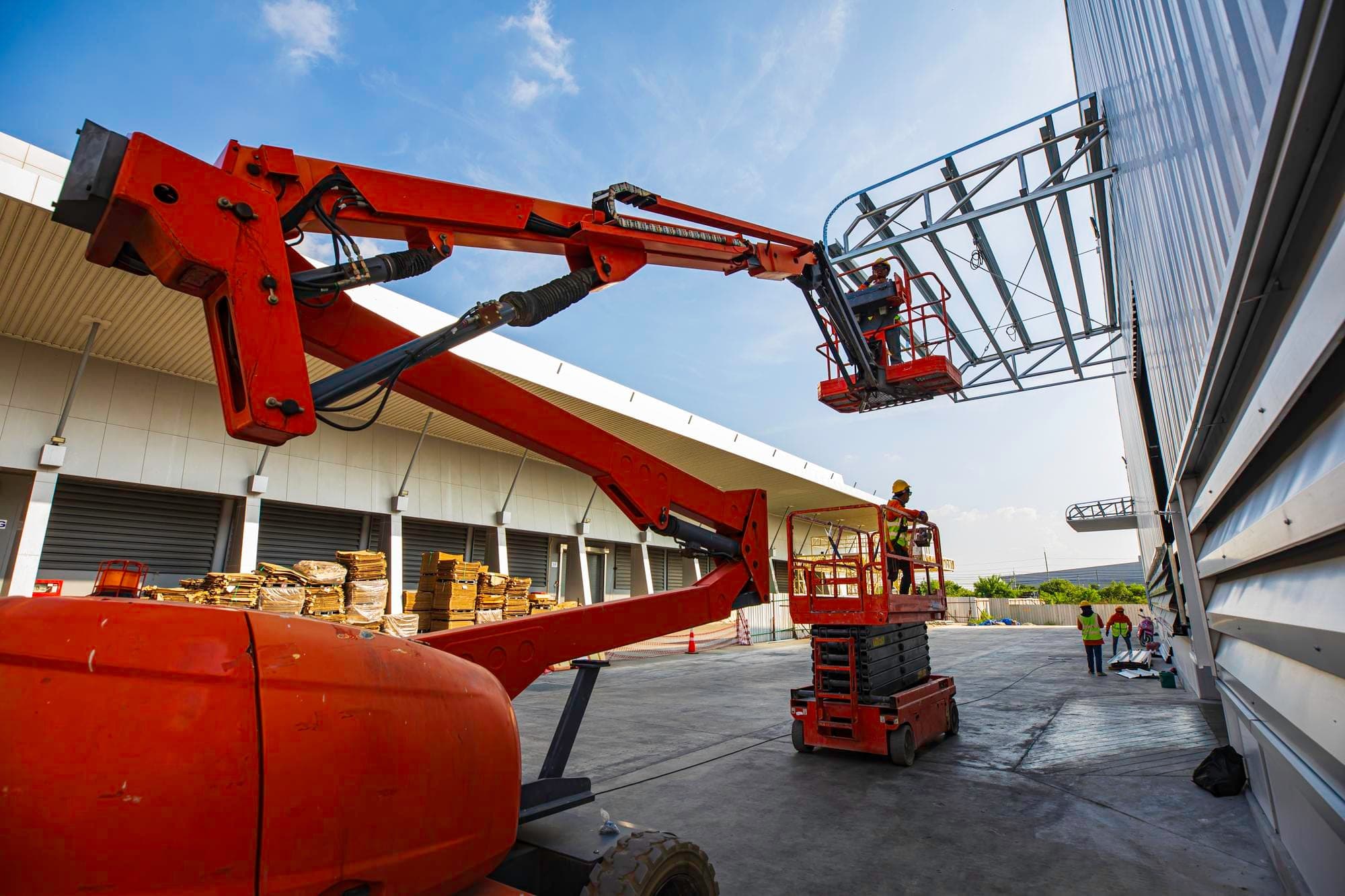
A certificate of currency proves that an insurance policy is active on the date the document is issued, and subcontractors in Australia usually need one before they step onto a site, accept a purchase order, renew a trade licence or submit an invoice. By understanding what the certificate shows, when it is required and how to obtain and verify it, both subcontractors and head contractors can avoid costly delays, penalties and uninsured losses.
What Is a Certificate of Currency
A certificate of currency, sometimes called a certificate of insurance, is an official document prepared by an insurer or broker that confirms an insurance policy is in force at a specific moment. It provides peace of mind for third parties that the insured business carries valid cover without revealing the detailed wording of the policy.
Insurers most commonly issue certificates for public liability policies, workers compensation policies and, on larger building projects, contract works or professional indemnity policies. Because a certificate only speaks for the day it is created, it must be refreshed whenever the policy renews or material details change.
Key details shown on a certificate
Every insurer has a slightly different template, yet most certificates share core elements. The table below illustrates typical inclusions.
| Field | What it shows |
|---|---|
| Insured name | Correct legal entity or trading name |
| ABN | Australian Business Number of the insured |
| Insurer | Name of the insurer providing cover |
| Policy type | Public liability, workers compensation, or other |
| Policy number | Reference used by insurer |
| Sum insured | Dollar limit of cover such as ten million dollars |
| Period of cover | Start date and end date of policy |
| Issue date | Date certificate generated |
Because the document is short, it will not list every exclusion or endorsement. A prudent head contractor who wants to check whether height work, asbestos handling or labour hire is covered will still need to sight the full schedule or obtain written confirmation from the broker.
Why Certificates of Currency Matter for Subcontractors and Head Contractors
Holding insurance and being able to prove it are two different tasks. A certificate of currency bridges that gap.
Proof you are insured and allowed on site
Site supervisors, council officers and project managers increasingly follow a simple rule no certificate, no entry. The approach protects them against uninsured claims and aligns with procurement guidelines published by SafeWork authorities and state treasuries. For the subcontractor the certificate becomes as important as a hard hat or high-vis vest in the induction toolkit.
Managing liability between parties
Many subcontractors assume the head contractor policy will pick up every claim arising from the job. In reality most public liability wordings exclude independent contractors unless they are specifically noted or paid through payroll. If a subcontractor accidentally ruptures a water main or injures a passer-by the head contractor may be drawn into the lawsuit, yet the subcontractor will still need their own policy to respond. By collecting certificates at the start of the project the head contractor documents that each trade has its own cover and reduces the risk of claw-backs from the principal’s insurer.
Contract and licensing requirements
Construction contracts frequently stipulate minimum limits ten or even twenty million dollars for public liability is common on government jobs. Trade licences for plumbing, electrical and building work in several states only remain valid when a current certificate sits on file with the regulator. Councils that issue permits for tree lopping, footpath drilling or market stall operation make similar demands. Failure to show evidence can void the permit or delay payment.
When Subcontractors Need a Certificate of Currency
While laws differ across states and territories, practical triggers emerge across Australia. Understanding them keeps a project moving.
Before starting work
The most common moment to present a certificate is during onboarding. The builder or project manager will ask for current certificates at the same time safety documents and tickets are checked. Some electronic site management systems refuse to generate an access pass until the subcontractor uploads a certificate that meets minimum limits and falls within date.
Access to particular sites
Large retail centres, hospitals, universities and aged-care facilities run strict procurement panels. Security personnel may scan certificates at the gate, instantly checking policy dates and sums insured. If the document shows a limit below the required threshold, entry is denied and costly downtime follows.
Licensing and renewals
The Consumer, Building and Occupational Services division in Tasmania, for example, requires a certificate as part of trade licence applications and renewals. Victorian WorkSafe asks employers to furnish a workers compensation certificate when tendering for government work. Similar expectations apply in New South Wales through the icare portal. Missing paperwork can stall licence approval for weeks.
Changes in scope or policy limits
A variation that increases contract value or introduces new risks often triggers a review of insurance. If the head contractor boosts their own limit from ten to twenty million dollars, contractual flow-down clauses can compel each subcontractor to match the uplift. Fresh certificates are then required to show compliance.
How Head Contractors Can Check a Certificate
Verification is more than a cursory glance. A disciplined process protects the builder from unpleasant surprises.
First, confirm the legal name and ABN on the certificate align with the entity that signed the subcontract agreement. Mismatches sometimes occur when a sole trader incorporates mid-project or operates multiple trading names.
Next, read the policy type. A steel fixer will need public liability while a structural engineer must have professional indemnity. Some trades require both.
Then, compare the sum insured to contract documents. If the deed states a limit of twenty million dollars yet the certificate only shows ten, ask the subcontractor to seek an endorsement or higher limit immediately.
Finally, check the period of insurance covers the entire program of works. A policy that expires halfway through a nine-month build is only adequate if the subcontractor undertakes to renew it and supply an updated certificate before expiry. Many builders keep a register of expiry dates and send automated reminders one month out.
How Subcontractors Obtain a Certificate Quickly
The process is straightforward once the policy is active and premium is settled. Most insurers and brokers operate online portals that generate certificates in minutes.
The subcontractor logs in, selects the required policy and clicks create certificate. Some portals allow the user to enter the name of the principal or project so the certificate reads Insured ABC Carpentry for their interests, Principal XYZ Constructions for its interests. If bespoke wording is needed to satisfy a council or financier, the broker can usually add it within twenty-four hours.
If premium funding is in place, the certificate will only issue after the first instalment clears. Subcontractors who forget this detail sometimes discover that a promised certificate fails to arrive because the premium remains outstanding. Clearing the payment unlocks the certificate.
Common Mistakes and How to Avoid Them
Several recurring pitfalls cause headaches on Australian building sites.
One, treating a certificate as evergreen. Because the document can be produced on day one and the policy may cancel on day thirty, head contractors must revisit certificates at renewal. Maintaining a shared spreadsheet or using compliance software solves the timing issue.
Two, presuming every subcontractor falls under the builder’s project works policy. Unless the subcontract is labour only, insurers usually regard the subcontractor as an independent business that must carry its own liability. Clarifying terms with the insurer before work starts prevents gaps.
Three, confusing a policy schedule or tax invoice with a certificate. Regulators and councils routinely reject these alternatives. Only the official certificate counts.
Four, neglecting to check for exclusions relevant to the job. A roofing contractor with a height exclusion over ten metres presents an obvious red flag on a multi-storey apartment build. Requesting confirmation from the broker that the exclusion has been removed avoids litigation later.
Integrating Certificates into Your Risk Management Plan
Forward-thinking builders embed certificate verification into everyday processes. Subcontractor agreements can include a clause that withholds payment until current certificates are on file. Site induction forms can require certificate numbers. Monthly toolbox meetings can remind crews to renew policies early.
Digital registers help. A simple spreadsheet with columns for subcontractor name, policy type, limit, expiry and certificate file path remains effective for smaller operations. Larger builders deploy workplace health and safety management systems that issue automated alerts, ensuring nothing slips through the cracks.
Frequently Asked Questions
What is a certificate of currency in insurance
It is a short document produced by the insurer or broker that states an insurance policy is active on the date shown. The certificate lists the insured name, policy type, dates and limit, giving third parties confidence that cover is in place without reading the full policy wording.
Is a certificate of currency the same as a certificate of insurance
In everyday Australian construction practice the two terms are used interchangeably. Both refer to the same confirmation that cover is current.
Why do subcontractors need a certificate of currency
Subcontractors must prove they hold their own insurance before they can start work, obtain a trade licence or enter many government or commercial sites. The certificate is the accepted proof.
Do head contractors need to keep certificates for subcontractors
Yes. Keeping certificates on file demonstrates due diligence, meets many contractual conditions and reduces the builder’s risk of uninsured claims.
Does public liability insurance automatically cover subcontractors
No. Most public liability policies exclude independent contractors unless specifically named. Subcontractors should therefore arrange their own cover and furnish their own certificate.
How do I get a certificate of currency
Once your policy is active and premium paid, request the certificate from your broker or insurer. Many portals can deliver the document within minutes.
How long does a certificate of currency remain valid
The certificate remains accurate only while the policy stays active and unchanged. When the policy renews or is altered, a fresh certificate is required.
What should I check on a subcontractor certificate
Check the legal name and ABN, confirm the policy type suits the work, verify the sum insured meets contract requirements and ensure the dates span the project. Also consider any exclusions that might affect the job.
Can I obtain a certificate if I have not paid the premium
Insurers usually withhold certificates until premium is paid or finance arrangements commence. Pay the outstanding amount to unlock the document.
Final Thoughts
A certificate of currency may appear to be a simple one-page form, yet it carries heavy weight in the Australian construction industry. It opens site gates, keeps licences valid and protects both subcontractors and head contractors from uninsured losses. By understanding what the certificate contains, when it is required and how to verify its accuracy, all parties protect their projects, reputations and balance sheets. If you need guidance on arranging cover or securing a certificate without delay, speak with a qualified broker who works daily with tradies and builders. The right advice and timely paperwork keep jobs moving and mitigate risk long before the first hammer swings.