Plant and equipment are the beating heart of Australian construction and civil works. Excavators, skid steers, chippers and cranes arrive on sites every morning and leave every evening on the back of tilt trays. Most of that machinery is hired rather than owned. A single day’s delay or a single mishap with a hired excavator can wipe out the profit on a project. The real sting often arrives long after the onsite dust has settled when insurers begin to exercise subrogation rights. Many contractors discover at that moment that they have stepped into a subrogation gap, where the hire agreement and the insurance program do not line up. This article explains why the gap appears, how subrogation actually works, and how a properly structured plant and equipment insurance program removes the uncertainty.
What is hired in plant and equipment
Hired in plant and equipment refers to any item of machinery or tooling that a business rents from another party for an agreed period and fee. The owner keeps legal title while the hirer takes possession and assumes control. In Australian trade vernacular dry hire means the hirer receives only the machine, while wet hire means the machine arrives with an operator. On most civil and construction sites dry hire dominates because the contractor already has employees ready to operate the gear.
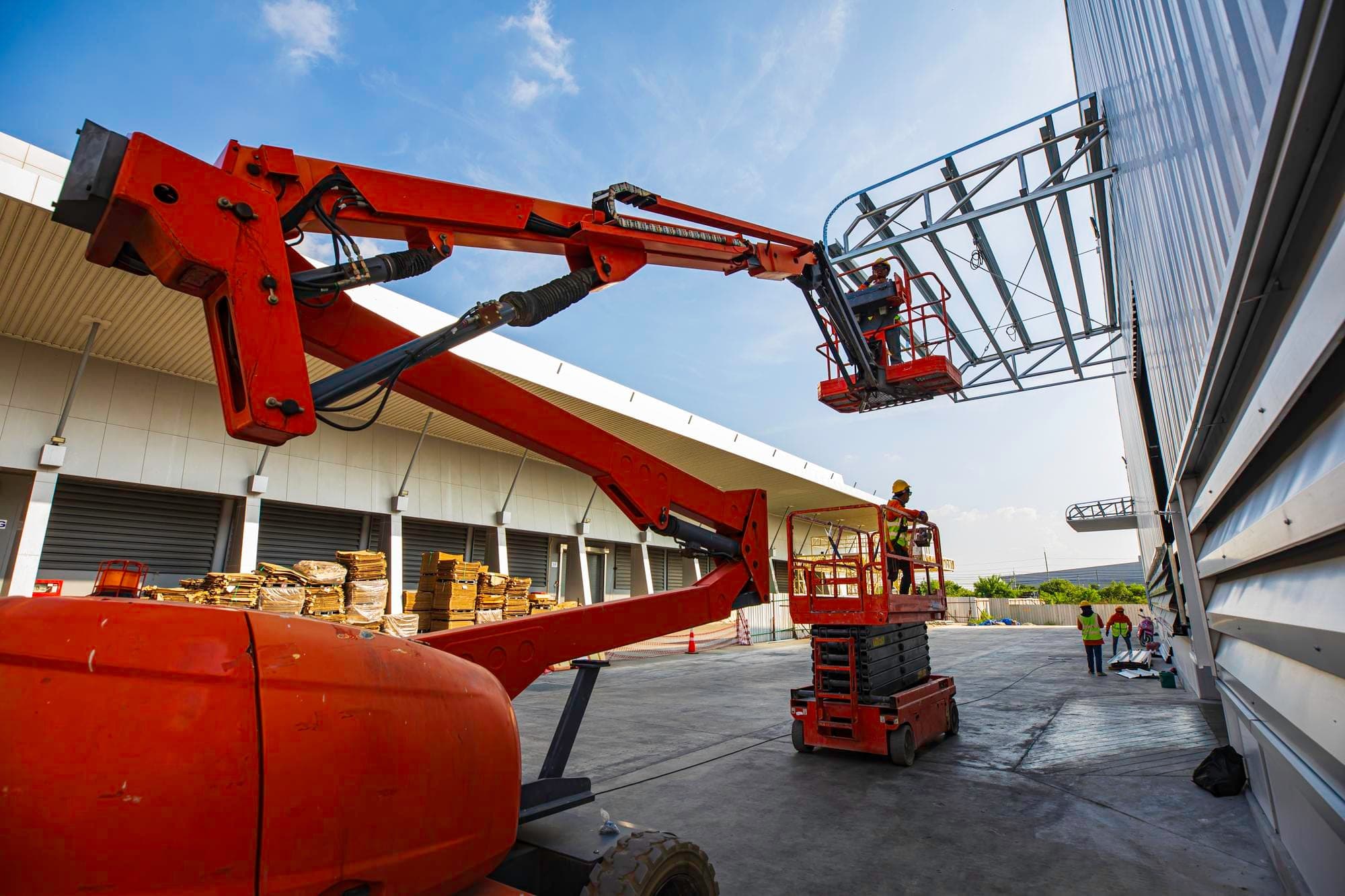
The range of hired plant is broad. A small landscaping outfit might hire a tracked skid steer and a laser level for a fortnight. A tree services firm could hire a seventeen metre elevating work platform for a single weekend job. Major road builders often have dozens of hired excavators, rollers and articulated dump trucks under their control for months at a time. In all of those examples the contractor has custody, care and control of equipment worth anywhere from ten thousand to a million dollars. If that asset is damaged, stolen or destroyed the hirer becomes responsible under the conditions of the hire contract.
Hire contracts in Australia routinely shift responsibility for loss or damage to the hirer, even if the hirer did nothing negligent. They also frequently require the hirer to carry insurance for the full replacement value of the equipment and to name the owner as an interested party. If the hirer assumes that the owner’s insurance automatically protects both parties, trouble is already brewing.
Understanding subrogation in plain English
Subrogation is a technical insurance term with a simple idea behind it. When an insurer pays a claim, the insurer gains the right to try to recover that payment from any party that caused or contributed to the loss. The right is equitable and common law in origin, and it is preserved in section seventy six of the Insurance Contracts Act. In practice subrogation means that after a claim the insurer can step into the shoes of the insured and start legal proceedings in the insured’s name. The process allows the insurer to reduce the net cost of claims and, in theory, keeps premiums lower for everyone.
Waivers and indemnity clauses
Hire companies understand subrogation well. To avoid becoming the target of recovery actions they often include waivers of subrogation in their hire agreements. A waiver removes the hirer’s right to recover from the owner, and because the insurer’s right of recovery is no better than that of the insured, it also removes the insurer’s path to subrogation. The hire contract might also contain an indemnity clause requiring the hirer to protect the owner against any loss, including loss the owner causes. These contractual devices are legal and generally enforceable provided they are clear and not misleading.
The Insurance Contracts Act does not prohibit contractors from giving up subrogation rights, but section twenty one imposes a duty of disclosure. If a contractor signs a hire agreement with a subrogation waiver and does not tell the plant insurer, the insurer may later reduce a claim or decline it entirely. This moment is where the subrogation gap often first appears.
How the subrogation gap appears on hired in machinery
Consider a civil contractor that hires a twenty tonne excavator on dry hire. The hire agreement includes a damage waiver fee, a waiver of subrogation in favour of the owner and a requirement that the hirer maintain insurance naming the owner as an interested party. The contractor already carries public liability insurance and a contractor plant policy for its own skid steers and attachments. Because the contractor thinks the damage waiver is enough, no one asks the broker to note the subrogation waiver or to extend cover for hired in plant.
On the second day of the job the excavator contacts a hidden concrete pier and cracks the slew ring. The repair bill is ninety thousand dollars and the machine is out of service for six weeks. The owner claims on its insurer who pays the repair cost, then looks for someone to reimburse them. The insurer discovers that the excavator was under the control of the hirer, alleges operator negligence and seeks recovery. The wafer thin damage waiver in the hire contract contains exclusions for underground obstructions. The hirer’s public liability policy excludes property in care, custody and control. The hirer’s own plant policy excludes damage to plant not listed in the schedule. The waivers in the contract stop the hirer from demanding that the owner or its insurer carry the loss. The insurer’s recovery action proceeds and the contractor receives a demand for the full repair amount plus continuing hire charges. That is the subrogation gap in full and frightening colour.
Comparing damage waiver and insurance
Many hire companies promote a damage waiver to simplify the hiring process. The term sounds like insurance, yet it is fundamentally a contractual allocation of risk rather than a regulated insurance product. The table below highlights the main differences.
| Aspect | Damage waiver | Hired in plant insurance |
|---|---|---|
| Nature of agreement | Contractual clause within the hire contract | General insurance contract regulated under the Insurance Contracts Act |
| Party holding the policy or right | Hire company offers waiver, hirer pays fee | Hirer purchases the policy, often naming owner as interested party |
| Coverage scope | Often limited, with many exclusions such as misuse, unlicensed operation, underground services | Broader cover including accidental damage, theft, storm, rollover, transit and optional breakdown |
| Claim control | Hire company or its insurer decides whether to claim and may still pursue hirer | Hirer deals directly with own insurer who responds subject to policy terms |
| Subrogation implications | Waiver may cancel recovery rights, leaving hirer exposed to uninsured claims | Policy can be endorsed to accept contractual waivers if disclosed and agreed |
The table makes it clear that a damage waiver does not replace proper insurance. In fact, relying on the waiver without matching insurance often magnifies the gap, because the waiver removes recovery rights that might otherwise have flowed back through the hirer’s insurer.
Role of contractor plant and machinery insurance
A contractor plant and machinery policy is designed to protect both owned equipment and hired in equipment when the machinery is under the control of the insured. The policy usually covers accidental physical loss or damage, theft, natural perils, loading and unloading and can be extended to include breakdown. If the machinery is registered for road use, a road risk liability section can attach, satisfying state registration requirements.
To deal with hired in plant, most policies contain an extension that applies when the insured signs a hire agreement making the hirer responsible for damage. The extension often provides a per item and aggregate limit for hired plant, along with an option to include continuing hire charges. For example, a typical aggregate limit might be fifty thousand dollars by default, which is clearly inadequate for a modern excavator or crane. The policy wording also sets out the insurer’s expectations around disclosure of hire contracts that include waivers of subrogation. If the insured tells the broker in advance, the insurer can endorse the policy to agree to the waiver so that any subsequent claim is not prejudiced.
Practical steps to close the gap
Closing the subrogation gap is a three part exercise that involves the hire contract, the insurance wording and prompt communication between the parties. The contractor should start by collecting sample hire agreements used during the year and providing them to the broker. The broker then checks for indemnities, hold harmless clauses, waivers of subrogation, obligations to insure and requirements to note the owner as an interested party. That information is forwarded to the insurer with a request for confirmation that the policy will cover those contractual obligations.
The policy schedule must list accurate limits for hired in plant based on realistic worst case values. If the contractor hires items worth up to three hundred thousand dollars, a fifty thousand dollar hired in limit is useless. The policy can include a declaration that any contractually required waiver of subrogation is accepted provided it is disclosed. Some insurers charge a modest additional premium for this endorsement, but the cost pales next to the financial hit of an uninsured recovery action.
Once the policy is endorsed, the contractor keeps copies of certificates of currency and provides them to hire companies on request. During the year, if a contractor signs a new hire agreement with unusual clauses or hires more expensive machinery than usual, the contractor must tell the broker immediately so the insurer can review and, if required, adjust the coverage. This continuous disclosure loop is the real secret to keeping the gap closed.
Real world scenarios
A small earthmoving contractor in regional Victoria hires a compact excavator worth eighty thousand dollars for a week. On day four the machine rolls down an embankment after the operator leaves it idling without engaging the park brake. The damage is severe. Because the contractor’s broker previously endorsed the hired in plant extension for values up to one hundred thousand dollars and disclosed the hire contract, the insurer accepts the claim. The policy also covers six thousand dollars in continuing hire charges. No subrogation action arises because the policy itself is responding to damage for which the contractor is responsible. The owner receives payment and the contractor pays only the agreed deductible.
A tree services business in Queensland hires a nineteen metre elevating work platform under a contract that contains a strict waiver of subrogation. The business fails to tell the broker. When the platform makes contact with power lines the damage bill exceeds two hundred thousand dollars, including extensive electrical repairs. The public liability policy excludes property in custody and control. The tree business plant policy has no hired in extension and no waiver endorsement. The owner’s insurer pays the repair cost then sues the tree business relying on the waiver in the contract to block any defence against recovery. The result is a crippling uninsured liability.
These two scenarios differ only in preparation and disclosure. The lesson is clear: align the hire contract and the insurance before the keys are handed over.
If you on hire your own machinery
Many contractors supplement their income by on hiring plant to other operators. The same subrogation dynamics apply in reverse. When you become the owner, you need a policy that recognises hire out exposure. Some policies automatically exclude dry hire because the owner does not control the operator. If you intend to on hire plant, the policy must specifically allow dry hire and set appropriate terms around maintenance obligations, training requirements and contractual conditions with the hirer. You should expect the insurer to ask for copies of your hire agreement to ensure indemnities and waivers are drafted in a way that does not prejudice the policy. Failure to put these pieces in place can leave the owner without cover for damage caused by the hirer and without the ability to recover the loss because of contract wording.
Getting coverage that aligns with your contracts
The best protection against the subrogation gap is a broker who understands plant hire practice, policy wordings and the Insurance Contracts Act. Start by forwarding your standard hire agreements, recent certificates of currency and an equipment schedule showing highest likely values for hired plant. The broker will work with underwriters to create a combined program incorporating contractor plant and machinery, public liability and commercial motor where required. The program should include explicit recognition of waivers of subrogation, confirmation of cover for continuing hire charges and hired in limits that match reality. After each hire, retain copies of agreements, damage waiver invoices and any correspondence about insurance. At renewal time, review all of these documents with your broker and update the policy where operations have changed.
When the insurance program marries up with contractual obligations, subrogation stops being a lurking threat and returns to its intended role of keeping premiums sustainable. You can concentrate on moving earth, lifting beams or chipping branches rather than worrying about a demand letter six months down the track.
Frequently asked questions
What is hired in plant insurance
Hired in plant insurance is a section of a contractor’s plant and machinery policy that covers loss or damage to machinery rented from another party while it is under the insured’s control. It can also cover the hirer’s liability for continuing hire charges if the equipment is unavailable after a loss.
What is a subrogation gap on hired in machinery
A subrogation gap exists when a hire contract removes recovery rights, or when an insurer tries to recover damages, and the hirer’s own policy either excludes the loss or has not been endorsed to accept the contract terms. The gap leaves the hirer exposed to uninsured demands.
Does the hire company’s insurance protect me if I damage the equipment
In many cases it does not. Hire contracts often transfer the risk of loss to the hirer and allow the hire company’s insurer to recover from you if it believes you caused the damage. Only a separate hired in plant policy endorsed to reflect the contract will protect you.
Is a damage waiver the same as insurance
No. A damage waiver is usually a contractual allocation of liability with limited protection and many exclusions. It is not an insurance product regulated by Australian law. A hired in plant policy is an insurance contract subject to the Insurance Contracts Act and the General Insurance Code of Practice.
Do I need plant and equipment insurance if I hire machinery only a few times a year
If the potential cost of damaging a hired machine exceeds what your business could comfortably absorb, you need insurance. Many policies allow flexible hired in limits that can be adjusted for short term hires, making cover affordable even for occasional use.
Does my public liability policy cover damage to hired plant
Public liability policies in Australia normally exclude property in the insured’s care, custody or control. Hired machinery fits that category, so you need dedicated plant and equipment insurance for the value of the machine itself.
How can I avoid a subrogation gap in my plant hire arrangements
Provide every hire contract to your broker, disclose any indemnity or waiver of subrogation, ensure your policy includes hired in plant extensions with realistic limits and obtain written confirmation from the insurer that the policy accepts the contractual terms. Review the arrangement each year and whenever you hire higher value machinery or enter new jurisdictions.
Disclaimer
This article contains general information only. It does not take account of your personal objectives, financial situation or needs. Always read the relevant Product Disclosure Statement and consult a qualified insurance adviser before making decisions about insurance cover.