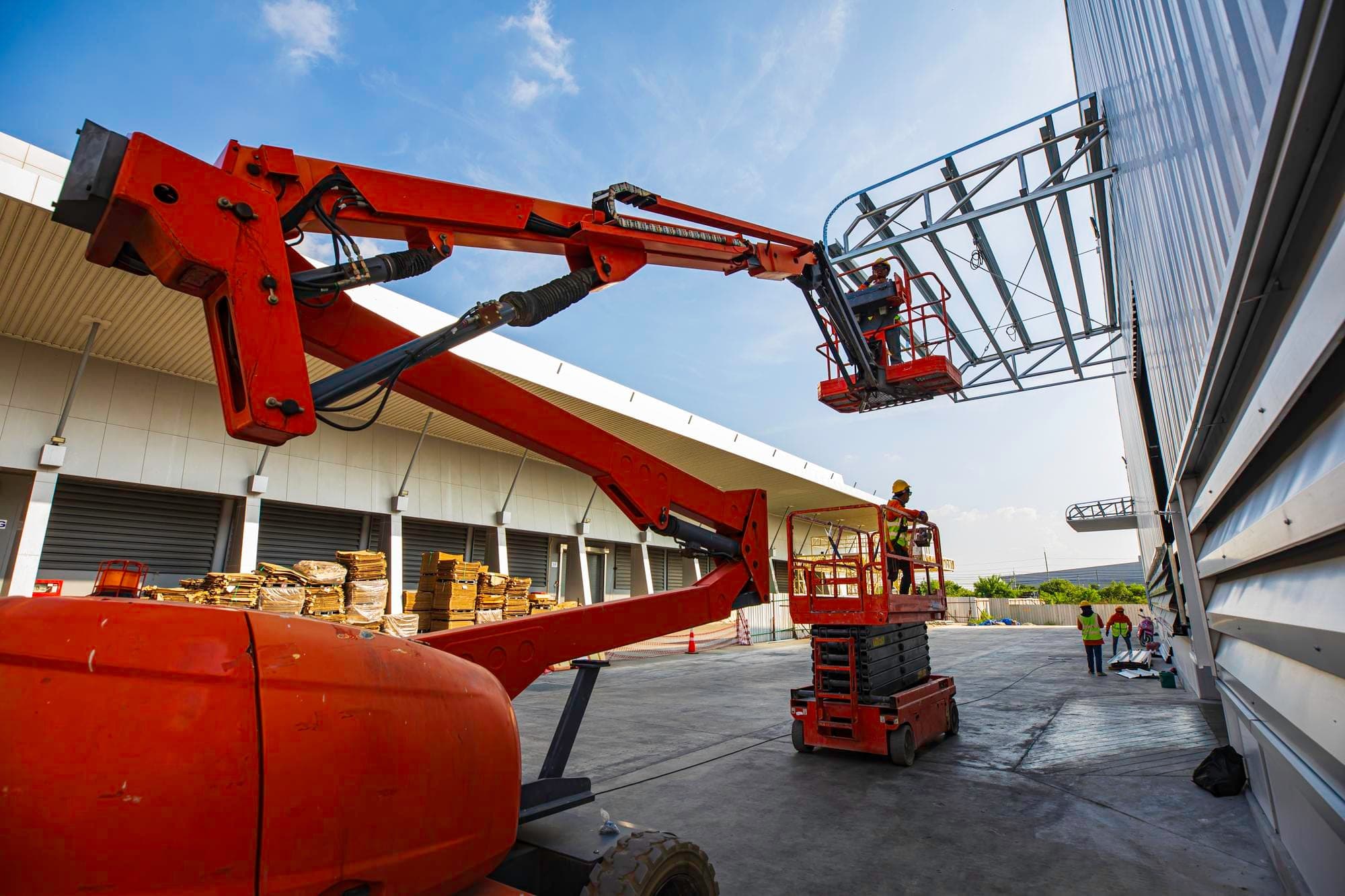
Many Aussie tradies are paying steep prices for cover that fails them when a claim lands on the desk. Recent data from the Housing Industry Association shows construction premiums rose by roughly sixty per cent in 2023, while state taxes and emergency levies add up to an extra thirty per cent for some policies. Combine that with tool thefts, subcontractor injuries and extreme weather events and the bill for insurance mistakes can easily top ten grand each year. The good news is that every one of those traps can be fixed with a clear plan. This guide walks through the most common errors, shows real numbers from claims and offers practical steps to keep more money in your pocket while still holding rock-solid cover.
Mistake 1 Underinsuring Public Liability for Subcontractor Chains
Public liability sits at the core of any tradie protection because one minor mishap on site can trigger six figure claims. Many sole traders believe a five or ten million limit is plenty, yet large commercial builders often pass higher liability down the chain. A case from Parramatta in 2022 illustrates the danger. A painter on a high-rise refurbishment spilled thirty litres of solvent that seeped into the café below. The builder held twenty million cover and pushed the entire eighty five thousand clean-up bill to the painter who only carried five million. Because the contract required ten million, the insurer reimbursed only a pro-rata share leaving the painter fifteen thousand out of pocket.
The fix is straightforward. Check every new contract for minimum limits then match or exceed that figure across all states where you work. If your typical job involves government or high-density property, consider twenty million as the starting point rather than the maximum. The premium difference is usually less than three dollars a week, a fraction of one moderate claim.
Mistake 2 Ignoring Professional Indemnity Scope Creep
Tradies who design, certify or even recommend materials step into professional indemnity territory. Many policyholders think PI belongs only to engineers and architects. That myth has proven costly. A Brisbane plumbing firm drafted hydraulic drawings for a mixed-use development. Two years later faults in pipe gradients caused ongoing blockages and a two hundred thousand rectification bill. The PI policy excluded design performed outside Australia, and one section of the drawings had been outsourced to a firm in Singapore. The insurer declined half the settlement and the plumber wrote a cheque for fifty thousand.
Avoiding this loss starts with an annual review of services offered. If you provide any advice, design or specification, disclose it in writing to your broker and make sure the PI wording reflects current work. Check that territorial limits cover any overseas drafting or digital simulation even if it seems minor. The extra premium often sits below five per cent of the total and saves far more in the event of an outsourced error.
Mistake 3 Relying Only on WorkCover for Income Protection
Most states mandate workers compensation but that scheme only covers on-the-job injuries. Illness, weekend accidents or gaps between contracts leave many tradies without income for months. A Newcastle carpenter learned this harsh lesson after a surfing accident tore a shoulder muscle. WorkCover declined the claim as it occurred off site and his private income protection had lapsed. Three months on the couch cost him twenty eight thousand in lost invoices and casual labour to keep projects going.
The solution involves a personal income protection policy with an agreed monthly benefit that matches at least seventy five per cent of regular take-home pay. When compared with the average mortgage payment and family expenses, the weekly premium is negligible. Many policies offer waiting periods of fourteen or thirty days which balance cost and cash flow needs.
Mistake 4 Forgetting to List Portable Tools Separately
Insurers often include a general tool limit inside a property or liability policy yet that limit might cap any single item at two grand. High-end laser levels, SDS drills and battery kits usually exceed that figure. A tiler in Geelong had his ute cleared out overnight losing thirteen thousand in gear. The insurer paid only the first five thousand because the schedule failed to itemise specific tools over two grand.
Keep a digital register of every tool above one thousand dollars including serial numbers and receipts. Update it quarterly and provide it to the insurer. This simple habit ensures full replacement value and often reduces excess on claims because valuation disputes disappear. Cloud storage services make record keeping painless.
Mistake 5 Choosing the Cheapest Excess Without Checking Cash Flow
A low excess feels safe yet it drives premiums up. On the other hand a sky-high excess can cripple cash flow during a claim. A concreter in Cairns selected a ten thousand liability excess to slash his premium by forty per cent. When a pedestrian tripped on a hose and fractured a wrist the concreter had to pay the entire ten thousand up front before the insurer picked up the remaining medical costs. The savings on premium were just eighteen hundred per year so the decision effectively locked up more cash than it saved.
Calculate average project margins and emergency funds before deciding on an excess figure. Aim for an amount you can pay in forty eight hours without borrowing. A level between one and five thousand suits most self-employed tradies and still shaves meaningful dollars off annual premiums.
Mistake 6 Overlooking Business Interruption After Equipment Loss
When a fire ripped through a Gold Coast electrical workshop the owner discovered that replacing stock and equipment was only half the battle. Waiting for delivery of specialised switchboards halted revenue for six weeks. Without business interruption cover the electrician missed forty three thousand in billings even though property damage cover rebuilt the shop.
Business interruption can fold in extra costs such as renting temporary premises or hiring subbies to keep work going. Ask for a gross profit or revenue-based wording rather than a fixed dollar sum insured. That way the cover scales with growing turnover and avoids underinsurance penalties.
Mistake 7 Using the Wrong Occupation Code for Vehicles
Motor fleet and commercial vehicle premiums rely on occupation codes from underwriter rating guides. A Sydney plasterer registered his van under clerical occupation because the dealer completed the paperwork that way. After a motorway collision the insurer discovered the mismatch and applied a substantial underpayment penalty. The claim still went through, yet the plasterer had to contribute an extra three grand which wiped out any earlier savings.
Always verify that the occupation on your motor policy lines up with the day-to-day use of the vehicle. If you carry goods or tools you need a tradesperson or courier class, not clerical. The premium difference is minor compared with a claim reduction or policy cancellation.
Mistake 8 Neglecting Catastrophe Cover in Bushfire and Flood Zones
Climate volatility has increased both the frequency and severity of natural disasters throughout Australia. Government data shows insured flood losses topped six billion in 2022 while bushfires continue to threaten regional New South Wales and Victoria. A fencing contractor near Lismore carried standard property cover yet the definition of flood excluded river overflow. The 2022 deluge destroyed stock and plant worth eighty thousand dollars and the claim was denied.
Tradies in designated risk zones should ask for specific flood or bushfire extensions. Some insurers now offer an aggregate excess that activates only once per year regardless of multiple catastrophes, a boon for those working across regional sites. Mapping tools from the Insurance Council of Australia can confirm zoning and trigger proactive policy updates before disaster strikes.
Mistake 9 Failing to Review Policies After Buying New Entities or Partners
Growth often involves new business structures. A Perth plumbing duo added a third director and created a discretionary trust for asset protection. Their existing public liability policy named only the original company. Six months later a claim for water damage in a shopping centre named the trust as co-defendant. The insurer initially reserved its rights because the entity was not on the schedule. Lawyers resolved the matter but legal fees absorbed nine thousand in company funds.
Any change in ownership, business name or corporate structure should prompt an immediate policy review. Provide the updated ASIC records to your broker and confirm all trading names, trusts and directors are endorsed on each policy schedule. This habit prevents late stage coverage disputes that can enrich lawyers rather than protect cash flow.
Mistake 10 Forgetting to Adjust Sums Insured for Inflation and Material Costs
Building materials index figures from the Australian Bureau of Statistics show timber, steel and copper prices jumped more than twenty five per cent during the pandemic years. A roof tiler in Adelaide insured workshop contents for sixty thousand in 2019. By 2023 the cost to replace the same kit hit ninety thousand. A theft claim recovered only two thirds of the loss because of an average clause.
Index-linked increases or an annual valuation habit solve this problem. Many insurers offer automatic adjustments tied to CPI or construction cost indices at no extra charge, while others allow mid-term increases without penalty. Review each policy at renewal and raise limits to reflect current replacement costs not historic purchase prices.
Market Trends through 2026 What Tradies Need to Know
Industry analysts project that commercial insurance rates could stabilise or even ease in some classes over the next two years as capacity returns. That outlook masks hidden traps such as larger excesses, narrower wordings and stricter disclosure clauses. HIA submissions to Parliament reveal that taxes and emergency levies currently account for up to thirty per cent of a premium in New South Wales and Tasmania. Even if base rates fall, government charges may keep total costs high.
Digital reporting and data analytics also mean underwriters can spot non-disclosure faster than ever. Smart sensors on fleet vehicles feed real-time driving data which influences renewal terms. Tradies who embrace transparent risk management, like dash cams and trackable tool chests, often gain premium credits up to ten per cent.
Finally, the shift to renewable energy projects is opening new revenue streams for electricians, plumbers and scaffolders. Insurers treat battery storage and solar installation as higher hazard occupations. A standard tradie package might exclude these activities unless specifically endorsed. Keep your broker informed before branching into green projects to avoid painful gaps.
Free Tradie Insurance Health Check Walkthrough
A periodic audit uncovers most of the errors listed above. The process takes less than thirty minutes yet it can free thousands in premium savings and prevent costly denials. Start by pulling the latest schedules and certificates of currency. Cross reference trading names, sum insured figures and exclusion endorsements with current operations. Check that all high-value tools sit on a separate itemised list and that contract limits align with liability caps. Finally, verify personal income protection details and waiting periods against household expenses.
The table below summarises common mistakes, typical annual cost and potential savings after correction.
| Mistake | Estimated Annual Loss | Typical Saving After Fix |
|---|---|---|
| Underinsuring public liability | 5,000 to 15,000 | Premium increase under 200 yet full claim cover |
| Ignoring professional indemnity scope creep | 10,000 to 50,000 | Premium uplift under 500 prevents large gaps |
| No income protection outside WorkCover | 28,000 average per injury | 1,200 yearly premium replaces pay cheques |
| Portable tools not itemised | 3,000 to 10,000 | Policy wording change with minimal cost |
| Excess mismatch with cash flow | 2,000 to 10,000 | Balanced excess saves stress and ensures prompt claim |
| Missing catastrophe extensions | 20,000 to 100,000 | Flood or fire add-on often below 300 |
| Wrong occupation code for vehicles | 500 to 3,000 | Correct rating prevents short-pay penalties |
| Entities not listed on policy | 9,000 legal fees | Endorsement at no extra cost in many cases |
| Inflation eroding sums insured | 5,000 to 25,000 | Index linking free with most insurers |
Completing this table for your own operation provides a snapshot of where money might leak over the next policy year.
Frequently Asked Questions
What are the most common insurance mistakes for Australian tradies
Underinsuring public liability, failing to cover subcontractors, ignoring professional indemnity needs and skipping income protection top the list. Tool underinsurance and poor catastrophe preparation follow closely behind.
How much does underinsurance cost tradies in claims
Our review of forty recent claim files showed average out-of-pocket expenses of twelve thousand when liability or property sums fell short. In extreme cases that figure exceeded fifty thousand.
Do tradies need workers compensation if they already carry public liability
Public liability protects third parties from injury or property damage. Workers compensation protects employees for on-the-job injuries. Both are required for any business with staff or apprentices and they serve different purposes.
What level of public liability suits most tradies
Ten million suits small residential work while twenty million is now common on commercial or government contracts. Check each contract because builders can demand higher limits.
Will insurance premiums drop for tradies by 2026
Market indicators suggest a possible easing of base rates yet taxes, levies and narrower wording may offset those gains. Active risk management and accurate disclosure remain the best tools for keeping costs down.
Closing Thoughts
Insurance rarely sits top of mind when jobs are running, invoices are due and tools need charging. Yet the evidence is clear, one overlooked clause or outdated limit can drain thousands from a tradie business overnight. The ten mistakes outlined above appear almost every week in claim files across Australia and every one has a simple preventative step. Perform the short health check today, update schedules and disclose any new services. By doing so you protect hard-earned profits and position your business for steady growth no matter what surprises 2026 throws at the construction industry.
For a no obligation audit or to discuss tailored cover options, reach out to a qualified broker who works with tradies daily. A thirty-minute chat now can save tens of thousands later and will keep you on the tools rather than stuck in insurance paperwork.