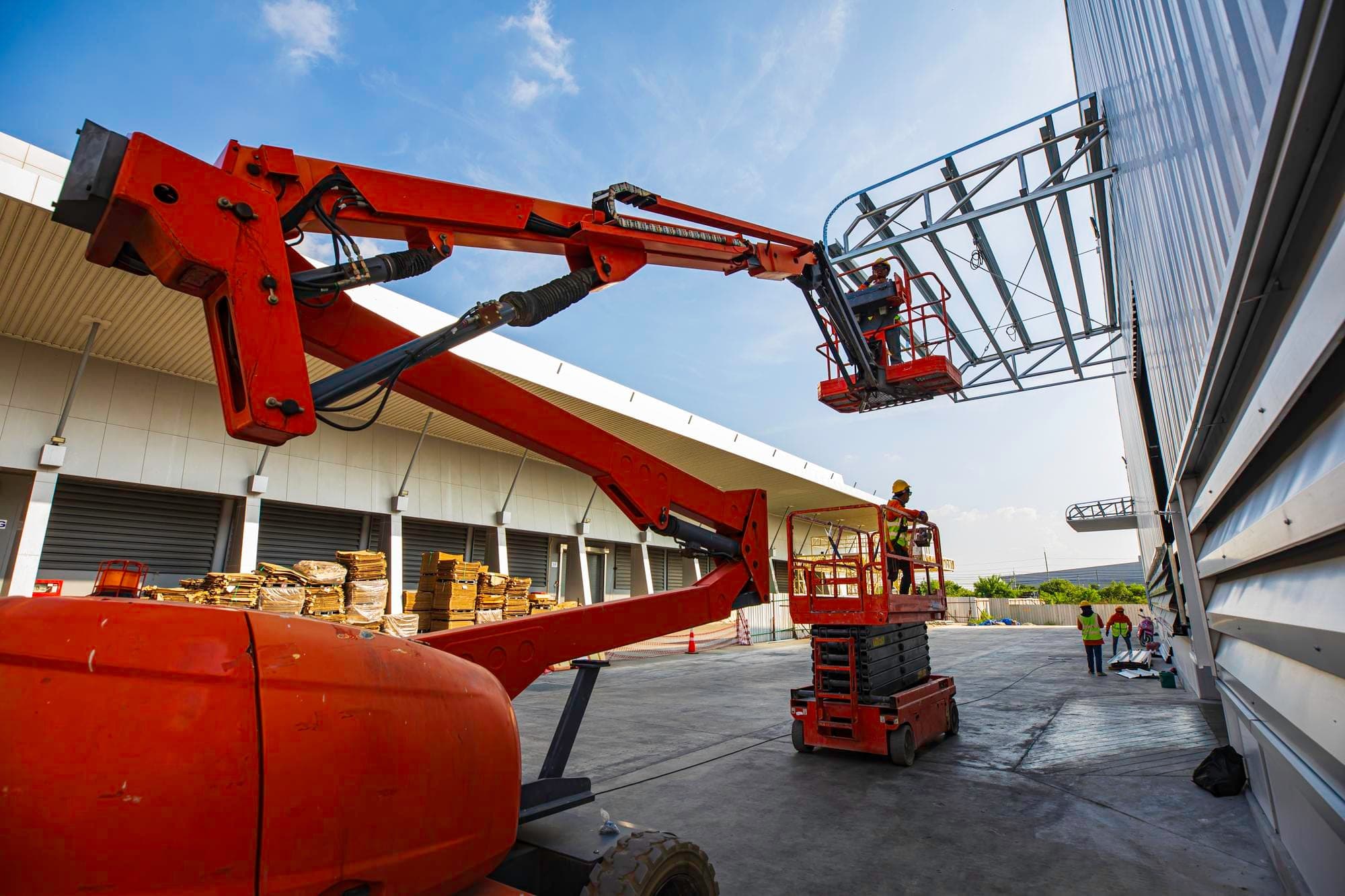
Storm damage rips half the roof off your halfway-built house and the bank expects handover next month. If you are the builder the bill lands squarely in your lap unless you already hold the right cover. The reality for Australian builders is simple. Construction All Risks insurance and Contract Works insurance describe the same essential policy that protects building work and materials while construction is under way. Whether the wording on the schedule says Contract Works or Construction All Risks you almost certainly need it for every project of meaningful value because contracts lenders and state regulators all expect it. The following guide unmasks the jargon and explains exactly what cover you need how it works in each state and how it differs from other policies on the market.
Understanding Contract Works Insurance
Contract Works insurance is built for one purpose. It safeguards the physical work of construction while that work is incomplete. The policy responds to accidental loss or damage to the contract works materials plant and temporary structures from events such as fire storm theft vandalism collapse impact or flood. Cover normally starts on the day site work begins and continues until practical completion or hand-over depending on the contract definition.
The sum insured is usually the total contract price plus an allowance for escalation and professional fees because if an event wipes out the build those extra costs will still arise. The policy can be taken out for a single project or on an annual basis that covers multiple jobs simultaneously.
In Australia insurers almost always offer a public or products liability section within the same policy schedule. That section protects the builder against third party injury or property damage claims that happen in connection with the site. Despite being packaged together the liability part serves a different purpose to the contract works property section.
What the policy generally covers
| Category | Typical protection |
|---|---|
| Contract works | New structures and materials forming part of the permanent build |
| Temporary works | Scaffolding site sheds hoardings and other temporary structures |
| Materials in storage | Building materials stored off site but earmarked for the project |
| Materials in transit | Protection while moving goods from supplier to site |
| Hired plant | Optional section for hired in equipment such as excavators |
| Public liability | Injury to third parties or damage to neighbouring property |
What the policy generally excludes
| Risk | Reason commonly excluded |
|---|---|
| Wear and tear | Gradual deterioration is not accidental loss |
| Defective design or workmanship | Better handled by professional indemnity or latent defects cover |
| Employee injury | Workers compensation legislation applies instead |
| Existing structures | Requires an endorsement because value already existed before the project |
| Contractual penalties | Liquidated damages sit outside an asset insurance policy |
Demystifying Construction All Risks Insurance
Construction All Risks insurance is another label for the same form of cover described above. Australian insurers and brokers often shorten the term to CAR. Internationally CAR can encompass more specialised extensions such as erection all risks for mechanical installations but within the Australian domestic building landscape CAR and Contract Works almost always share identical wording.
Some insurers prefer the CAR title when selling annual policies that roll across numerous sites because the phrase all risks signals the broad nature of the protection. Others lean on Contract Works when marketing single project policies because the sum insured directly mirrors a specific contract. The protection however remains fundamentally the same.
Very occasionally a CAR wording will bolt on extra sub-limits for design defects or existing structures but those benefits can equally be added to a Contract Works form through endorsements. The terminology alone should never drive your decision; the real focus is on the schedule limits exclusions and conditions.
Contract Works vs Construction All Risks Are They Really Different
Despite the interchangeable nature it is helpful to see how the two labels stack up across key features so you can spot any nuanced differences in quotations you may receive.
| Feature | Contract Works | Construction All Risks |
|---|---|---|
| Common usage | Single project cover linked to a specific contract value | Annual or multi-site cover though also available single project |
| Core insured property | The works materials temporary structures and plant | Identical scope of property insured |
| Standard perils | Fire storm flood theft vandalism impact collapse | Identical list of perils |
| Optional sections | Public liability hired plant existing structures professional fees | Same optional sections and limits |
| Typical buyer | Residential or small commercial builder running a handful of jobs | Larger builders juggling many projects or joint venture principals |
| Policy wording difference | None material unless endorsements vary | None material unless endorsements vary |
The table confirms that in everyday Australian practice the two policy names present no meaningful distinction. Choosing CAR over Contract Works or vice versa comes down to marketing preference rather than substance. As a builder you should insist on comparing the wording and the declared limits rather than focusing on the title.
Why Australian Builders Cannot Afford To Go Without This Cover
Australian law does not impose a single federal statute that forces all builders to buy Contract Works or CAR insurance. The mandate instead arises from a blend of licensing conditions standard construction contracts lender requirements and prudential risk management.
Every standard form major works contract used in Australia from AS 4000 to ABIC and HIA variations contains a clause that obliges the builder to arrange and maintain insurance on the works for at least the contract sum plus a margin. Failure to comply is usually a grounds for termination or suspension of payment.
Banks and private financiers likewise demand evidence of currency before they release progress draws because the policy protects their security in the partially-completed asset. Even owner builders applying for a permit in most states must demonstrate they have arranged appropriate insurance on the proposed works.
The following table sets out the approach adopted by each state and territory regulator as at May 2026.
| Jurisdiction | Insurance expectation for builders | Other mandatory covers |
|---|---|---|
| New South Wales | Fair Trading strongly recommends Contract Works and contracts require it. Home Building Compensation compulsory for residential jobs over 20000 dollars | Workers compensation public liability home warranty where applicable |
| Queensland | Queensland Building and Construction Commission guidance expects licensed contractors to hold Contract Works when required by contract. QBCC statutory insurance deals only with defects | Workers compensation QBCC statutory insurance public liability |
| Victoria | Victorian Building Authority references Contract Works in owner builder permit conditions and commercial contracts enforce the requirement | Domestic Building Insurance for residential over 16000 dollars workers compensation |
| Western Australia | Not mandated broadly but government procurement guidelines stipulate Contract Works for state projects. Private jobs rely on contractual obligation | Home Indemnity Insurance for residential over 20000 dollars |
| South Australia | Contract Works indirectly required through contract conditions. Building Indemnity Insurance covers consumer protection for domestic work | Workers compensation building indemnity |
| Tasmania | Builder licence application asks for evidence of Contract Works capabilities and current cover | Public liability workers compensation |
| Australian Capital Territory | Residential projects of up to three storeys must carry work insurance under building contracts. Contract Works is industry standard | Residential building insurance workers compensation |
| Northern Territory | Contract Works taken out through contract terms. No standalone statutory scheme for construction phase | Workers compensation public liability |
In every region therefore the practical outcome is identical. Operate without the cover and you risk breaching your contract breaching licensing conditions and losing access to finance. More importantly you leave yourself exposed to potentially ruinous costs if a site incident occurs.
Costs Exclusions and Common Gaps
Premiums vary widely depending on project value duration location and exposure to natural catastrophe zones. A small renovation worth 150000 dollars in metropolitan Adelaide may attract a premium of only 600 dollars whereas a two-storey custom home in cyclone-prone Townsville valued at 1.2 million dollars might cost closer to 8000 dollars. Annual policies for builders turning over 10 million dollars or more typically start at about 0.3 per cent of annual turnover although recent severe weather events have nudged rates higher.
Builders should pay careful attention to the policy excess because it often scales with project value. Expect a minimum excess of 1000 dollars on metropolitan projects rising to 10000 dollars or more for high wind or flood regions.
Common coverage gaps include existing structures on renovation projects. Many policies exclude damage to the pre-existing part of a building unless the schedule shows a separate sum insured for existing property. Professional fees and removal of debris should also be scheduled separately to avoid eroding the core construction limit.
In addition design or workmanship defects remain excluded under Contract Works hence professional indemnity or latent defects insurance is needed to address that risk.
Covered perils versus typical exclusions
| Area | Covered by standard policy | Requires separate policy or endorsement |
|---|---|---|
| Fire lightning explosion | Yes | Not applicable |
| Storm and flood | Yes unless specifically restricted | Not applicable |
| Theft of unfixed materials | Yes | Not applicable |
| Earthquake | Usually covered subject to higher excess | Not applicable |
| Faulty design or materials | No | Professional indemnity or defects policy |
| Employee injury | No | Workers compensation |
| Delay costs or liquidated damages | No | Project specific delay in start-up or advanced loss of profits |
Single Project Policies Versus Annual Covers
A single project policy insures one contract start to finish. It suits an owner builder or small contractor taking on one or two jobs each year. The premium is fully known at inception which helps pricing into tenders but any extension of time requires the insurer to endorse and charge an additional premium.
An annual policy on the other hand sets a turnover limit for all projects during the period. Each site is declared to the insurer as it begins and the policy functions as a floating blanket. Builders running several overlapping jobs find the annual option both cheaper and far easier to administer. Broad form CAR annual policies also improve consistency of cover across multiple sites.
Either structure can be labelled Contract Works or CAR by the insurer so review the schedule carefully. Check whether subcontractors are automatically included and whether principal supplied materials are covered because exclusions differ between insurers.
How Banks Contracts and Licensing Drive Insurance Decisions
While no one may ask to see your public liability renewal when inspectors visit site most will insist on sighting the Contract Works certificate before construction starts. Architects QS consultants and project managers administer compliance on larger commercial projects and will not release the notice to proceed until the insurance evidence tallies with contract clauses.
Licensing bodies can also audit evidence of insurance. In Tasmania for example builders must lodge a certificate with Consumer Building and Occupational Services as part of licence renewal. In Victoria owner builders applying for a permit above the threshold cannot even receive the permit until they submit proof.
Most Australian banks maintain their own panel of acceptable insurers. They often require the policy to name the financier as an insured or note their interest. Failure to comply can delay settlement or halt drawdowns.
Therefore even where state law remains silent commercial reality places an effective mandate on every professional builder to carry the cover.
Practical Steps To Arrange The Right Cover
Begin by estimating the full contract value including GST professional fees demolition and debris removal allowances. Add a contingency of at least ten per cent to cushion for variations. Decide whether you prefer a single project or annual turnover approach.
Provide your broker with plans site location construction type security measures and your experience on similar projects. Discuss any unique exposures such as working over water heritage restoration or existing structure retention. Request clarity on wind storm and flood sub-limits because natural catastrophe deductibles and sub-limits differ widely across insurers.
Check that the policy is arranged in joint names of you and the principal where the contract requires. If the works connect to an existing occupied building ensure the existing structure is declared at its full replacement value if cover is required.
Finally coordinate the policy start date with site possession because losses before the certificate date may fall through the cracks of both your own and the principals insurance.
Frequently Asked Questions
Is Construction All Risks the same as Contract Works in Australia
Yes. The two terms refer to the same underlying insurance product that covers accidental physical loss or damage to building work materials and site structures during construction. Differences arise only from policy endorsements and not from the title.
Do I legally have to take out Contract Works insurance
No single federal law forces you to buy it. However almost every construction contract lender and licensing body effectively requires it, making it impossible to trade professionally without the policy. The practical answer is yes you need it.
How is Contract Works different from public liability insurance
Contract Works protects your own project property against events such as fire or theft. Public liability protects you against claims made by third parties who suffer injury or property damage because of your site operations. They cover different risk categories and both are essential.
Can subcontractors rely on the head contractors policy
Sometimes. Many annual Contract Works policies extend to subcontractors automatically while they are working on an insured project. You must confirm that you are noted as an insured and that the project falls inside the declared works. If in doubt arrange your own cover.
How much should I insure for
Insure for the full contract value plus an allowance of at least ten per cent for variations and professional fees. Underinsurance can trigger average clauses which reduce claim payments in proportion to the level of underinsurance.
Does the policy end at practical completion or final completion
Most policies cease at practical completion handover or when the owner occupies the works whichever comes first. Some allow an automatic maintenance period for minor defects but this is limited and does not replace warranty or liability cover.
Conclusion
Call it Contract Works call it Construction All Risks or simply builders risk. Whatever name appears on the schedule the policy performs the same critical function. It protects your in-progress project against cost-blowing disasters that could otherwise sink your business overnight. Contracts banks and regulators all expect it and your clients will sleep better knowing the site is covered. Focus on the schedule limits and exclusions rather than the title, choose between single project or annual form to match your workload, and work with a specialist broker who understands the quirks of each insurer. In the unpredictable Australian climate reliable construction insurance is not a luxury. It is a vital tool that keeps builders on the tools and projects on track.